Tesla just confirmed the Tesla FSD memory update is coming, letting drivers talk to the car and have it remember common routes, driveways, and stops. That single change makes FSD voice commands memory a real feature instead of a wish-list item.
The update pairs with fresh data from the Tesla 2025 impact report FSD showing supervised Full Self-Driving uses less energy than manual driving across 65 million miles. Tesla FSD energy efficiency improves because the system avoids the aggressive throttle and brake inputs most humans make.
Why the memory feature matters
Right now you can only tap the screen or use the stalk to change destinations. With the new memory system you’ll simply say “pull into the driveway on the right” or “go back home instead.” Early tester posts already show Tesla replying that they’re “working on it,” so this isn’t far off.
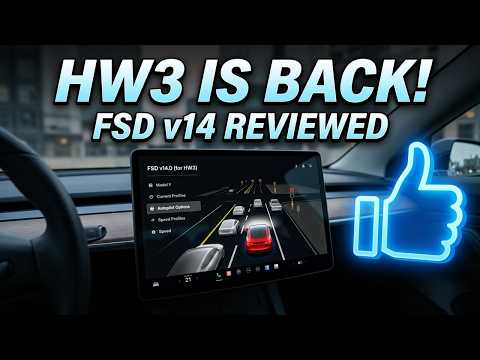
I’ve seen similar smoothness gains in older hardware tests. Check my first impressions of the latest version on HW3 here: https://denniscw.com/blog/hw3-fsd-v14-first-reviews-smoother-driving-old-hardware. The car already feels more natural than many drivers I share the road with.
Real-world energy savings
The 2025 impact report numbers line up with what I notice on every drive. FSD coasts earlier, holds steady speeds, and rarely spikes power draw. That translates directly into extra range and lower emissions, exactly what the report quantifies.
For owners who want the full experience, a solid phone mount keeps navigation visible while you test the new voice features. I’ve been using the Jowua setup for months: Jowua Tesla accessories — phone mounts, center consoles, and more.
Bottom line
The Tesla FSD memory update plus proven energy savings make a strong case to enable FSD on every trip. It’s smoother than human drivers, remembers what you tell it, and stretches the battery farther. The future of talking to your Tesla is closer than most people think.