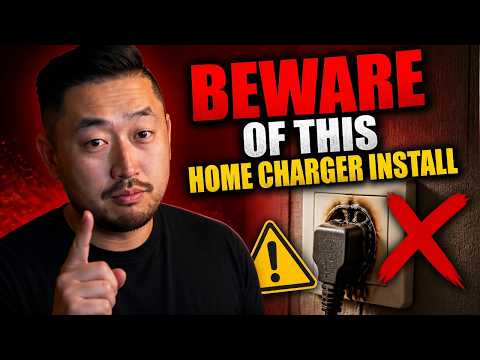
Most Tesla owners discover too late that a cheap plug-in setup can melt from repeated use.
This exact failure happens because standard outlets aren't built for daily EV charging cycles.
Why Plugs Fail on Mobile Connectors
The core issue with many initial installs is using outlets designed for appliances like dryers that stay plugged in forever. When you treat a Tesla Mobile Connector like a daily driver, the prongs loosen and heat up.
That's the real difference between casual use and constant EV charging.
Tesla Wall Connector vs Mobile Connector
I always recommend skipping the mobile connector for your primary home setup. The Tesla Wall Connector is built for permanent duty and delivers faster, more reliable charging without any plug wear concerns.
A hardwired tesla charger install eliminates the weakest link entirely.
Step-by-Step: Avoiding Tesla Home Charger Installation Mistakes
- Choose hardwired over plug-in from day one.
- Hire a tesla authorized electrician california who understands local permits and utility rebates.
- Confirm the circuit can handle the load without shared outlets.
- Verify the electrician pulls permits so your warranty stays intact.
- Ask about incentives—some areas offer up to $4,000 in panel upgrade credits.
Pro Tips for a Bulletproof Install
Never use a standard 14-50 outlet meant for occasional RV use. If you're in California, contact Smart Plug EV — Tesla-authorized charger installer, ask for the Dennis Deal for the right approach.
For cost breakdowns on a proper Wall Connector job, see this breakdown: https://denniscw.com/blog/tesla-wall-connector-install-cost-is-1800-reasonable.
Watch the full video here: https://youtube.com/watch?v=OQuMHI1qA_E
Bottom Line
A proper hardwired install saves headaches and money long-term. Skip the shortcuts and get it done right the first time.