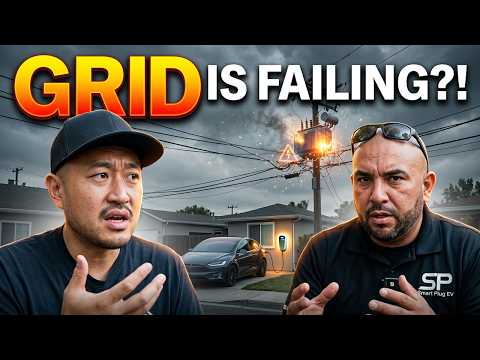
Utilities are already five times ahead of EV charging grid strain projections. That's the reality Southern California Edison shared in their latest training, and it directly addresses why power grid can't handle EVs fears that keep popping up.
The Grid Upgrade Timeline Nobody Sees
I recently completed Southern California Edison EV programs training, and the timeline they laid out surprised even me. By 2030, gas water heaters, stoves, and dryers will be phased out entirely through utility electrification incentives. They're already giving these electric replacements away for free in many cases, exactly like the early EV charger giveaways from PG&E and others five to eight years ago.
This isn't some distant plan. The infrastructure work is happening right now, with crews doing daily substation and line upgrades. Much of it stays underground, which is why drivers don't notice the changes until they spot brand-new overhead lines in neighborhoods.
My Own Concerns and What Changed Them
I used to worry about transformer capacity in my own neighborhood after installing multiple panels. The math never seemed to add up for the home electrification future everyone keeps pushing. Then I heard Edison's direct statement: the grid handles today's load today, and it will be five times stronger in three to five years because of ongoing wildfire-related investments and daily subcontracting work.
That reassurance matters when clients still tell me their daughter wants an EV but the grid will collapse. The data from the people actually running the system says otherwise.
Counterarguments and the Real Bottleneck
Skeptics point to aging infrastructure and sudden demand spikes as proof the system will fail. Those concerns aren't baseless on paper. However, the utilities designing the system have already modeled the load growth and are building ahead of it rather than reacting after the fact. California wildfire budgets alone have accelerated replacement cycles that would have taken decades otherwise.
The bigger near-term issue isn't generation capacity. It's getting the right incentives in place so people actually make the switch before the 2030 deadlines hit. That's where programs like the ones Edison is running now come in.
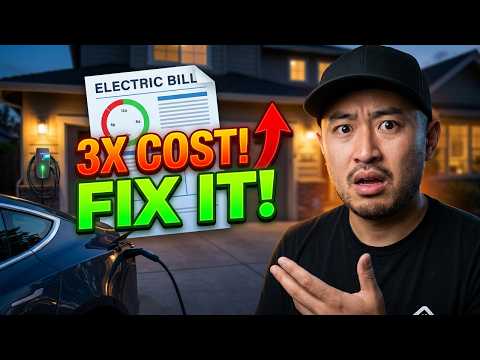
If you're planning an EV charger install or full home electrification, check the current Southern California Edison EV programs first. The free or heavily discounted equipment won't last forever. For installation details in California, this EV charger installation cost breakdown walks through what to expect. And if your bill feels high after adding charging, the reasons usually trace back to rate timing rather than the grid itself, which I covered here: why is my ev charging bill so high.
What's Actually Next
The phase-out of gas appliances 2030 isn't optional for manufacturers, and the utilities are making the transition cheap on purpose. They're treating us as beta users for the next generation of electric appliances, the same way they did with early EV chargers. The technology keeps improving, and the grid upgrades are already funded and underway.
I'm convinced the why power grid can't handle EVs narrative is mostly noise at this point. The people who run the system have already solved for the load. The real question is whether homeowners will take advantage of the incentives while they're still this generous.
Smart Plug EV — Tesla-authorized charger installer, ask for the Dennis Deal
Some links are affiliate links that support the channel at no cost to you.