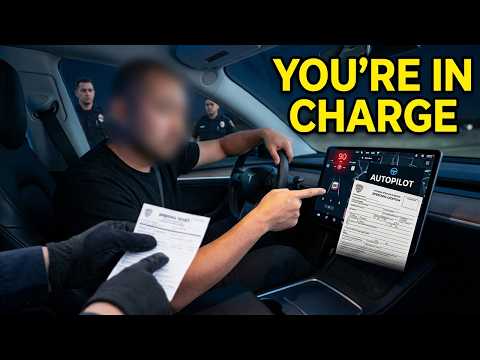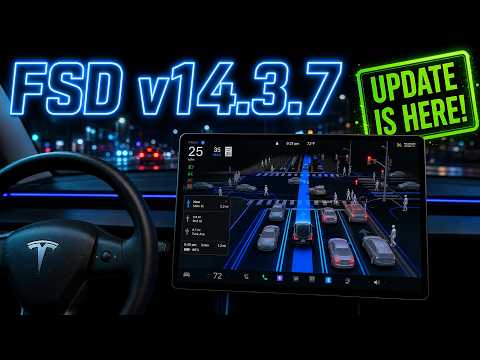
Tesla's VP of AI called Tesla FSD max speed control an anti-pattern that stops the system from learning real driving patterns. This decision has left many owners frustrated and worried about losing control over Tesla full self-driving speed setting.
The Core Issue with User Overrides
I watched the latest update from Tesla leadership and the message was clear. Max speed sliders interfere with how the AI learns implied preferences from how owners actually drive. By removing the manual limit, Tesla wants the car to observe natural behavior across thousands of situations instead of letting drivers hard-code a number. That approach makes sense for long-term progress, but it clashes with immediate needs like avoiding FSD speeding tickets California.
Many owners, including those quoted in the discussion, want the option back because they refuse to risk a ticket while the system figures things out. One comment summed it up perfectly: until Tesla takes full liability, drivers need a hard cap so the car never goes 20 over.
Evidence from Real Owner Reactions
The backlash was swift. David argued that any manual input counts as error and should stay gone. Others pushed back hard, saying they need a safety net until the AI is truly autonomous. Brandon noted he is fine with Tesla choosing speed if it assumes responsibility, yet until then he wants a firm limit. These voices highlight the tension between training data needs and daily usability.
I agree that FSD anti-pattern max speed prevents the model from seeing how people actually behave in traffic. At the same time, I understand why owners feel the computer is taking over. The system still occasionally creeps too fast in areas where police sit, and without a simple setting, drivers must constantly intervene.
Counterarguments and Practical Concerns
Some argue a capped menu option could solve both sides. Enable the limit and Tesla collects data on how often it is used versus left off. That would show real demand without forcing everyone into one mode. Others worry any limit teaches the car the wrong lesson and slows adoption.
I see both points. Pure learning requires freedom, yet real-world driving includes speed traps and strict enforcement. A middle ground with optional boundaries might satisfy more users while still feeding the model useful examples.
For deeper context on how Tesla plans to remember driver habits over time, check out this post on https://denniscw.com/blog/tesla-fsd-memory-update-remembers-preferences. It explains the shift toward implied preferences in more detail.
My Take on the Road Ahead
Tesla full self-driving speed setting should eventually feel invisible because the car simply matches the flow like an experienced driver. Until then, the removal of Tesla FSD max speed control creates friction for cautious owners. The company is betting that short-term pain leads to faster long-term improvement, and I think that bet is reasonable if they keep listening to feedback.
If you want to see the full discussion that sparked this debate, watch the video here: https://youtube.com/watch?v=GVysA1aSLRA.
The bigger picture involves how quickly Tesla FSD user preferences become reliable enough that no one feels the need for manual caps. Stages of mainstream adoption will depend on solving exactly these trust issues. You can read more about that progression at https://denniscw.com/blog/tesla-fsd-adoption-stages-going-mainstream.
Until the AI consistently stays under the limit in every zone, many drivers will keep one hand ready on the scroll wheel. Tesla's decision to treat the slider as an anti-pattern is bold, but it only works if the resulting behavior stays ticket-free.
Some links are affiliate links that support the channel at no cost to you.